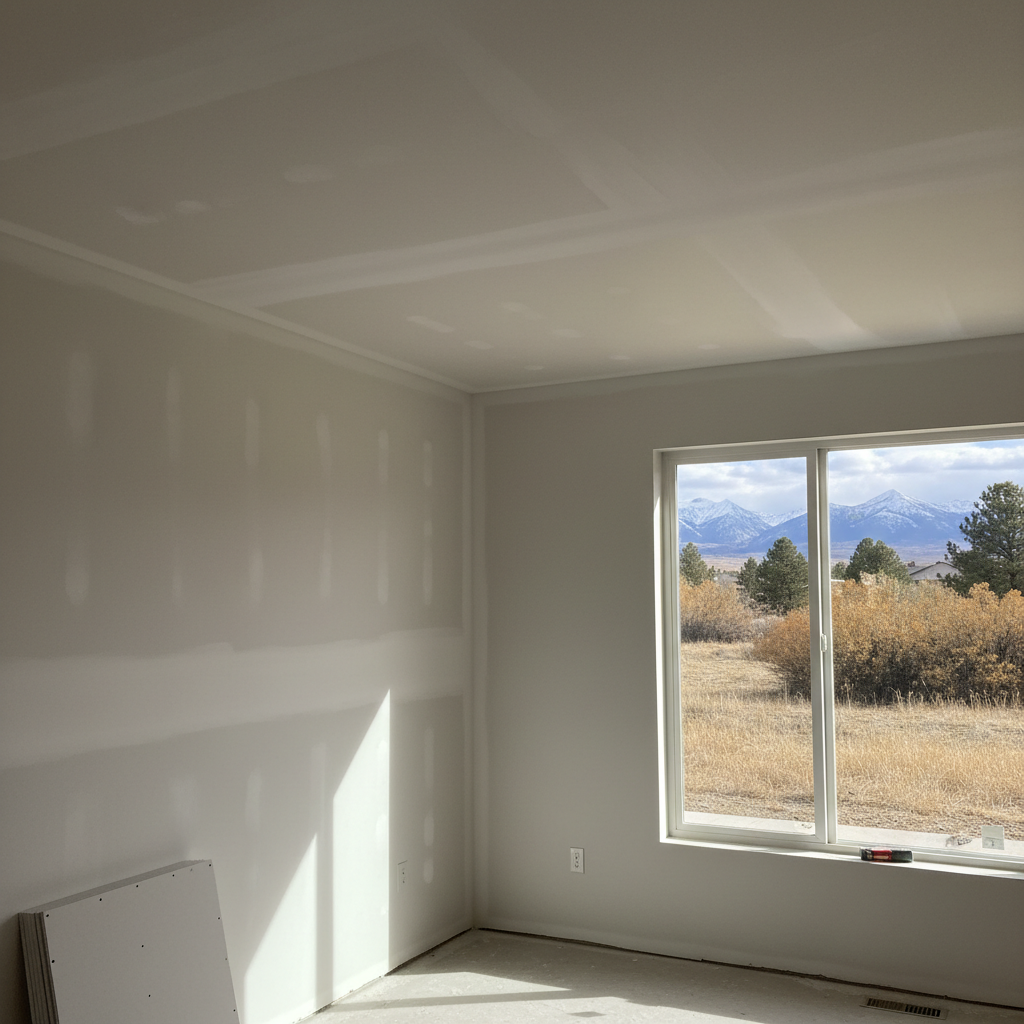
When's the best time to tackle drywall taping and mudding here in Ogden? That's a question I get a lot, and honestly, the answer isn't always straightforward. Our local climate, with its hot, dry summers and cold, snowy winters, really throws a wrench into things if you're not careful. You can't just slap mud on the walls whenever you feel like it and expect a perfect finish. It just doesn't work that way, does it?
Why Ogden's Weather Matters for Drywall
Drywall mud isn't just mud; it's a carefully put-together compound that needs specific conditions to dry and cure properly. It's mostly water, right? So, what happens to water when it's too hot, too cold, too humid, or too dry? It evaporates too fast, too slow, or unevenly. That's how you get cracks, shrinkage, and poor adhesion. You'll end up with a mess that needs fixing, and nobody wants that.
Think about those old homes in the East Bench or even some of the newer builds up by Ben Lomond. You'll see drywall issues that often trace back to environmental factors during installation. We've seen it all at Midway Drywall Solutions, and we know how to plan around it.
Ideal Conditions: Not Too Hot, Not Too Cold
The sweet spot for drywall work is generally between 55°F and 70°F, with relative humidity hovering around 40-60%. That lets the mud dry at a consistent, controlled rate. It's not evaporating so fast it cracks, and it's not staying wet so long it grows mold or never fully hardens.
- Spring (April-May): This can be a fantastic time. Temperatures are usually mild, and we often get some moisture in the air from spring rains, which helps keep humidity levels decent. You still need to watch out for those sudden cold snaps or unexpected heat waves, but generally, it's a good window.
- Fall (September-October): Another prime season. The intense summer heat has usually broken, and we haven't plunged into the deep cold yet. The air is often crisp and stable, which is perfect for drying.
- Summer (June-August): This is where you need to be careful. Ogden summers get hot, really hot and dry. If you're working without AC, the mud can flash dry, meaning the surface dries before the inside, leading to cracks. If you're running AC, that can dry the air out too much. You'll need to manage the environment carefully, maybe even using humidifiers or misters in the room – but not directly on the mud, of course.
- Winter (November-March): Cold is tough on drywall. If your house isn't heated, the mud won't cure properly, and it can even freeze, ruining the compound. Even with heat, the air inside can become extremely dry, especially if you're running forced air constantly. This can lead to the same flash-drying issues as summer. You'll definitely need to keep indoor temperatures steady and possibly add humidity.
Protecting Your Investment Year-Round
Once your drywall is up and finished, you're not entirely off the hook. Keeping a stable indoor environment is key to its longevity. Extreme swings in temperature and humidity can still cause problems down the line, even years later.
Here's what I tell folks:
- Keep it Consistent: Try to avoid letting your home's temperature swing wildly, especially if you're going away for an extended period. Don't crank the heat down to 40°F in winter or turn the AC completely off in summer if you can help it.
- Humidity Control: In our dry climate, particularly during winter when the furnace is blasting, a whole-house humidifier can be a real drywall saver. It stops the wood framing from drying out and shrinking, which can cause nail pops and cracks in your drywall. In summer, if it's unusually humid (which isn't as common here, but it happens), make sure you have good ventilation or use a dehumidifier.
- Watch for Leaks: This one's a no-brainer, but water is drywall's worst enemy. A leaky roof, a burst pipe, or even persistent condensation can quickly turn a perfectly good wall into a moldy, crumbling mess. Address any water issues immediately.
Getting your drywall done right means paying attention to more than just the taper's skill. It means respecting the materials and understanding how our unique Ogden weather impacts them. If you're planning a project and have questions about the best time to start, give us a call. We're always happy to share our experience.