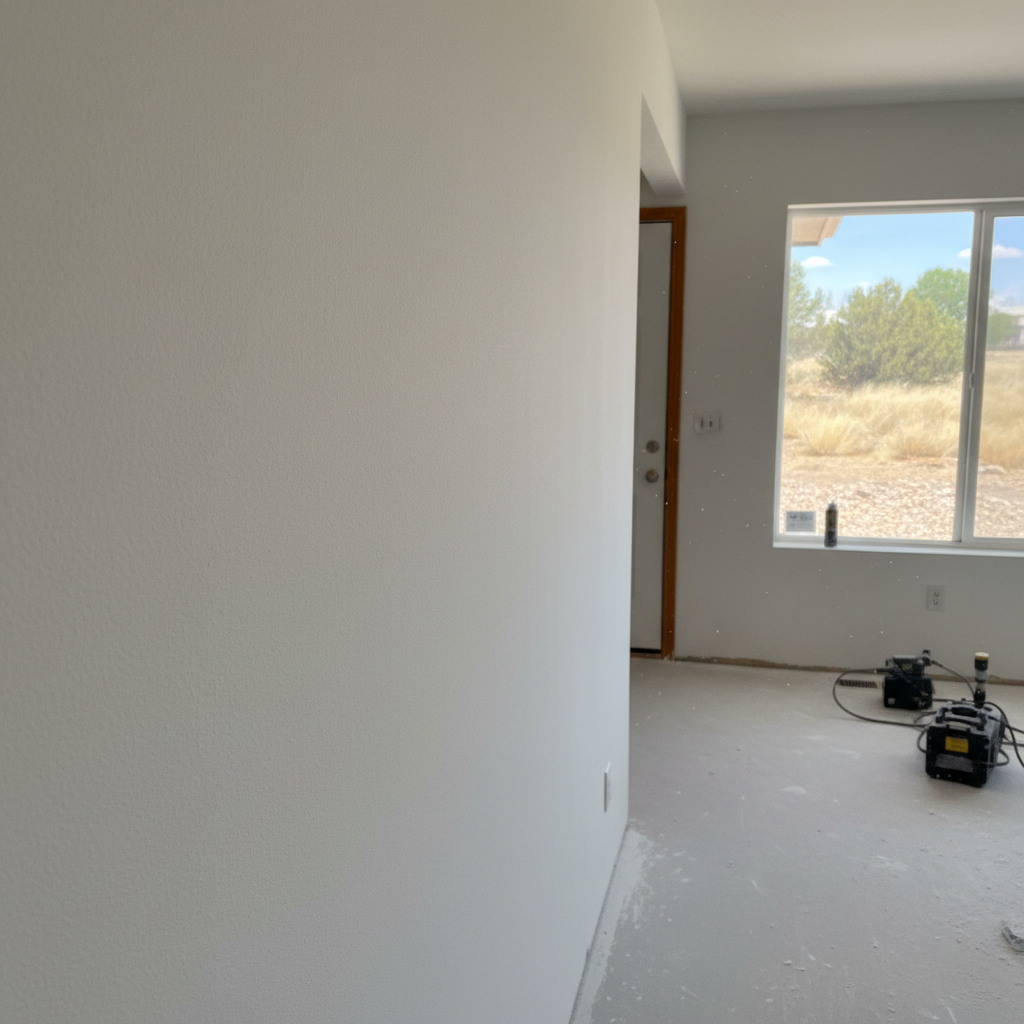
So, you've got new drywall up, or maybe you've just patched a few spots, and now it's time to paint. You're probably looking at those fresh white or brown sheets and thinking, "Do I *really* need to prime this thing?" The short answer is almost always yes. But it's not just about slapping on any old primer. There's a bit more to it than that, and honestly, I get a lot of the same questions from homeowners all over Ogden. Let's dig into some of those, shall we?
Why can't I just paint directly over new drywall?
This is probably the most common question I hear, and it's a good one. Look, new drywall — especially the paper face and the joint compound — is super porous. It's like a sponge, really. If you just hit it with paint, that first coat is going to get sucked right into the surface, and it won't be even. You'll end up with what we call "flashing" or "ghosting" – shiny spots and dull spots where the paint absorbed differently. You'll see every seam, every patch. It's a mess, and it looks terrible. Plus, you'll use way more paint trying to get an even finish, which costs you more money and time in the long run. Primer, on the other hand, creates a uniform, less porous surface for your paint to stick to, making your topcoats look smooth and consistent.
What's the difference between primer and paint? Can't I just use a paint-and-primer-in-one product?
Alright, this is where things get a little tricky because those "paint-and-primer-in-one" cans are everywhere these days. Here's the deal: true primer is made for adhesion and sealing. It's designed to penetrate the surface, block stains, seal porous materials, and give you a consistent base for your topcoat. Paint, on the other hand, is for color, durability, and aesthetics. It's got more pigments and binders for that finished look, you know?
Those all-in-one products? They're usually just a thicker paint with some priming qualities mixed in. They can work okay if you're painting over an existing, uniform, light-colored surface that's already in good shape. But for *new* drywall, or over significant repairs, or if you're making a drastic color change, they just don't cut it. You're simply better off with a dedicated drywall primer. Don't let the marketing fool you; a good primer is a separate, crucial step.
Do I need a special primer for new drywall versus repaired drywall?
Not necessarily a completely different *type* of primer, but you do need to be mindful of a few things. For new, unpainted drywall, you'll want a good quality drywall primer-sealer. These are specifically designed to equalize the porosity of the paper and the joint compound. If you've done repairs, say a patch where you had a leak from one of those heavy snowfalls we get here in Ogden Canyon, you might want to consider a stain-blocking primer over that specific repair area first. Water stains, smoke, or even marker can bleed right through regular primer and paint. So, for general new drywall, a standard drywall primer is fine. For repairs, especially if there's any chance of a stain, hit that spot with a stain-blocker, then prime the whole wall with your regular drywall primer.
How many coats of primer do I need?
Most of the time, one good, even coat of quality drywall primer is all you need for new drywall. The goal, remember, is to get a uniform, sealed surface. You're not looking for perfect coverage or color yet; you're looking for consistency. If you've got a really dark joint compound or some particularly rough patches, or if you're going from a dark color to a very light one, you might consider a second thin coat. But for standard new drywall, one coat, applied properly, should do the trick. Just make sure it's dry according to the manufacturer's instructions before you even think about painting.
What kind of primer should I use for bathrooms or other high-moisture areas?
Ah, the bathroom. That's a whole different ballgame, isn't it? You've got steam, humidity, and the potential for mildew. For these areas, you absolutely want a primer that's made for high-moisture environments. Look for primers labeled as "mildew-resistant" or "mold and mildew inhibiting." Some even have specific moisture-blocking properties. This isn't just about paint adhesion; it's about protecting your walls from the long-term effects of humidity. Don't skimp here, especially in a bathroom that gets a lot of use. It's an extra layer of defense against problems down the road.
Can I tint my primer?
You bet you can, and often, you should! Tinting your primer means adding a small amount of your final paint color to the primer. This helps immensely, especially if you're painting a dark or vibrant color. When the primer is tinted to a similar shade, it makes your topcoats cover much better and more evenly. You'll often find you need one less coat of your expensive finish paint, which saves you money and time. Just ask the paint store to tint your primer towards your final color. They usually know exactly how much to add. It's a small step that makes a big difference in the final look.
Look, priming isn't the most exciting part of a drywall project, but it's one of the most critical. Skipping it or doing it wrong can mess up your whole paint job and leave you frustrated. If you're ever unsure or just want to make sure it's done right, you know who to call. We've been helping folks in Ogden with their drywall needs for years at Midway Drywall Solutions, and we're always happy to answer your questions or lend a hand.